

Little girl, run

An original short film about survival, courage and the freedom to write your own story.
The story behind the film
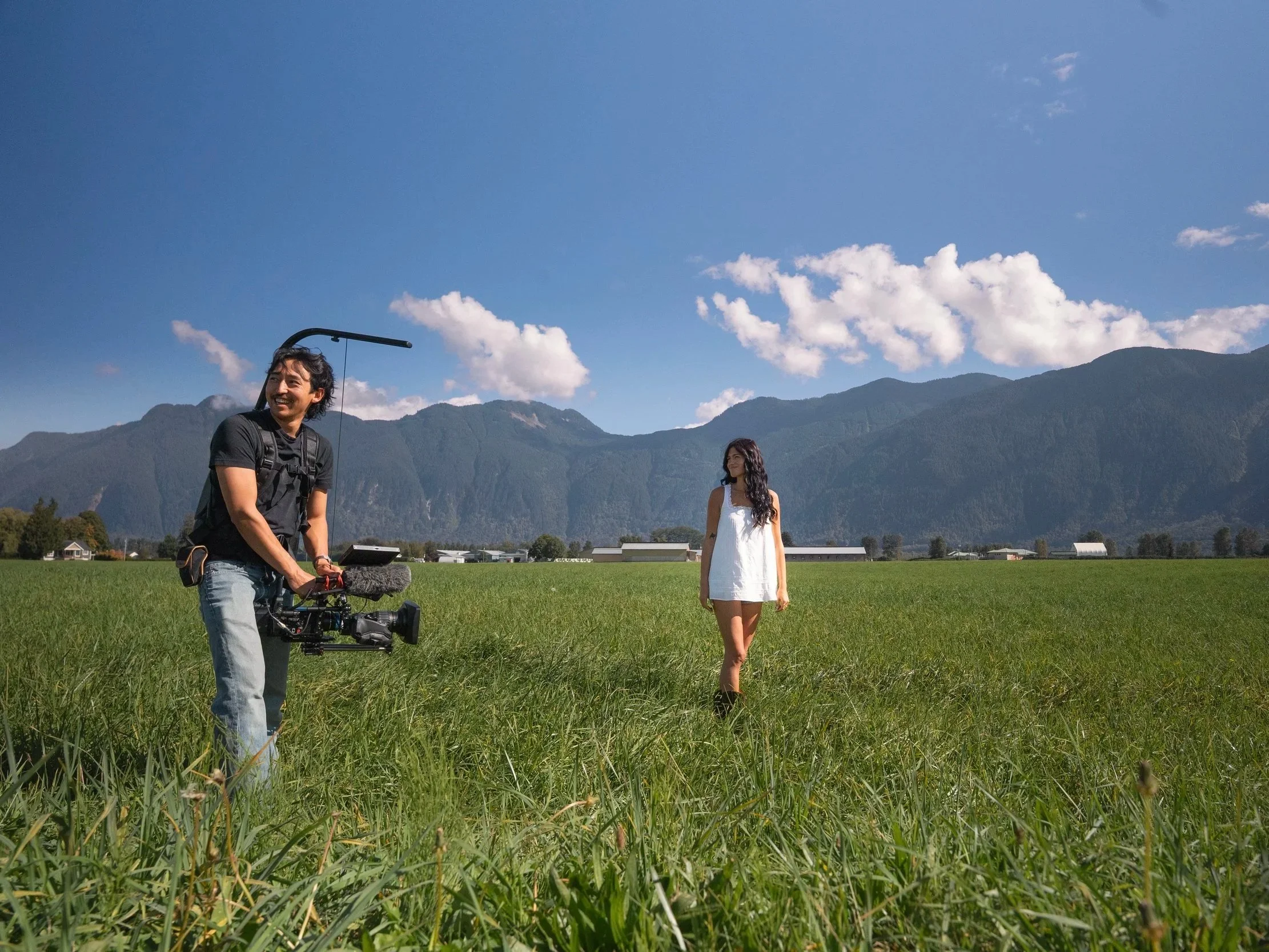
Written and executive produced by Alexa Gamache, founder and owner of Northern Bronco, Little Girl, Run was born from her own lived experience as a survivor of family violence. What began as a deeply personal story became something with a much greater purpose: to give a voice to those who have been silenced, to encourage conversations that are too often avoided, and to remind survivors that their past does not define their future. Created with the hope of reaching classrooms, communities, and audiences across the world, this film is more than a story about what someone has survived. “She didn’t choose how her story started, but she chose what came next” (Alexa Gamache). Because our beginnings do not have to define the lives we choose to live.
WHAT IS THE FILM ABOUT
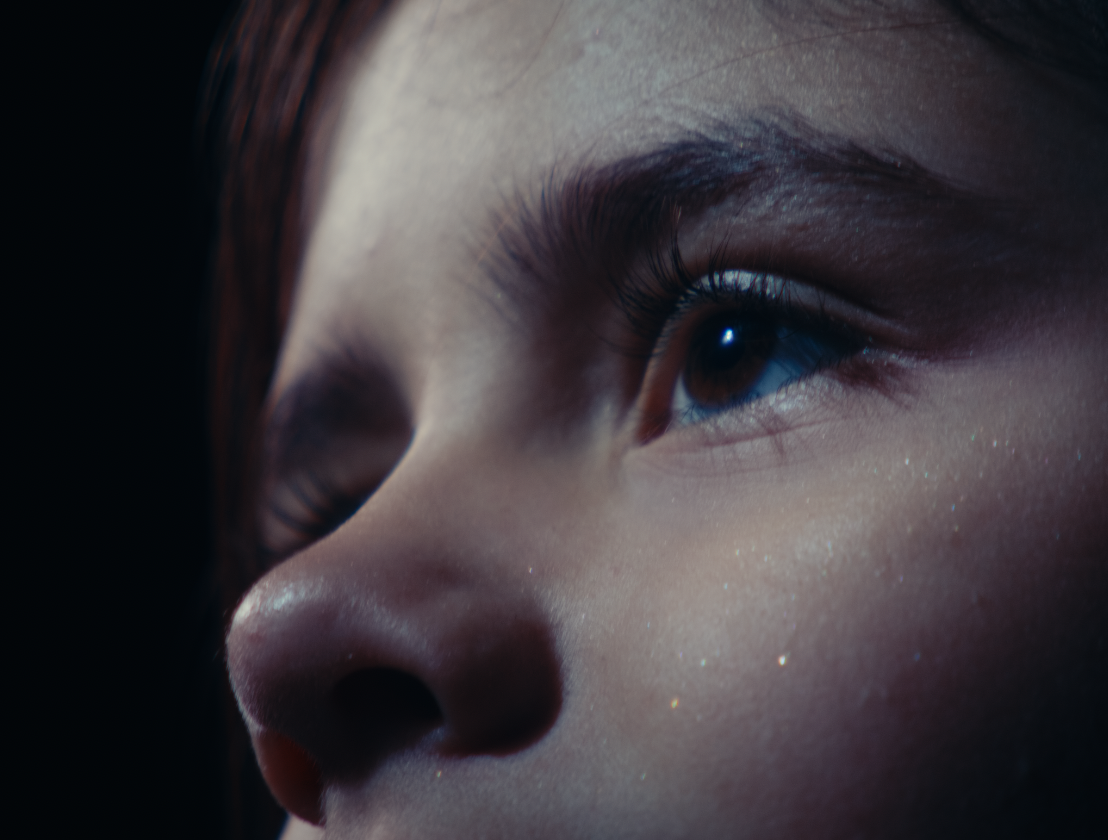
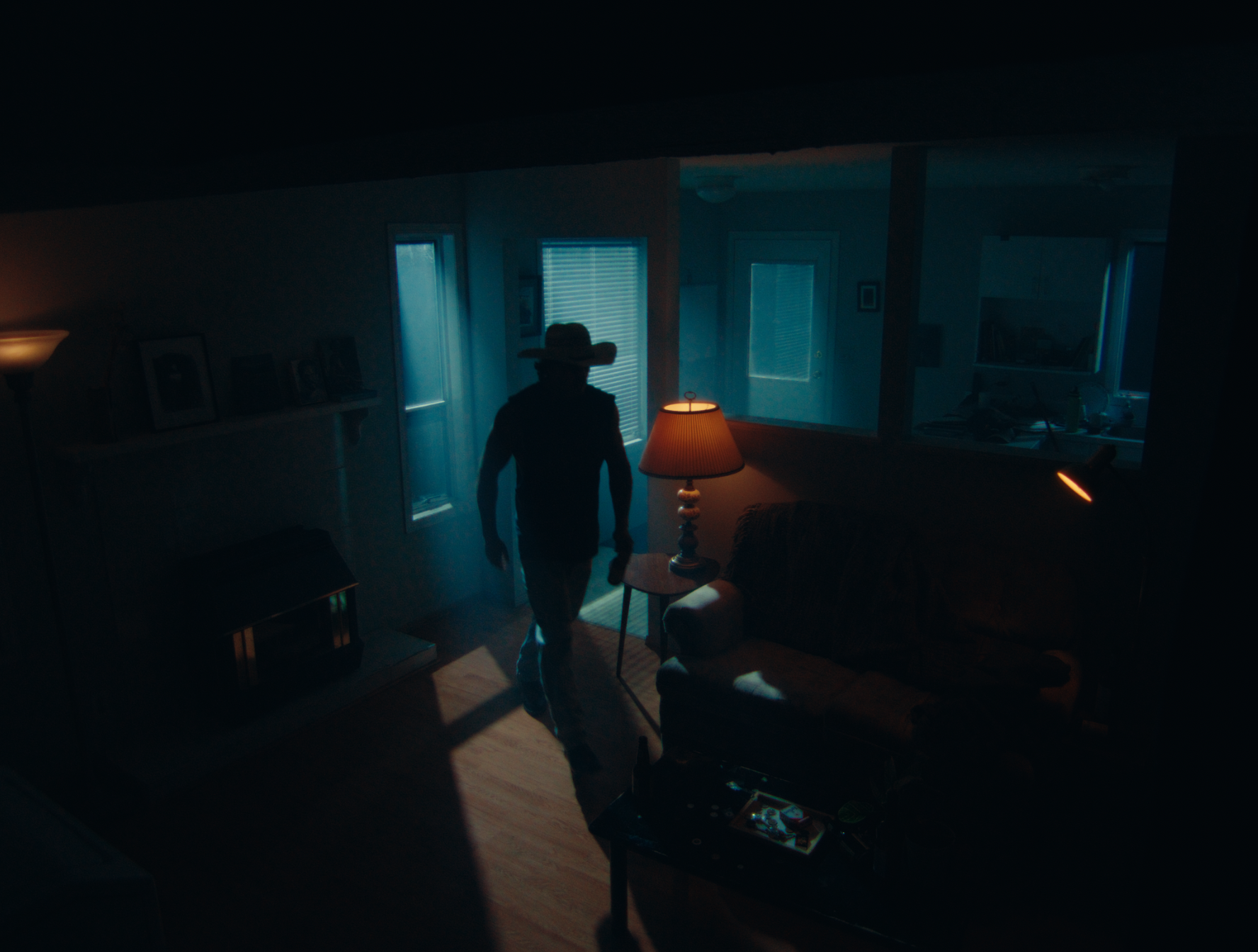
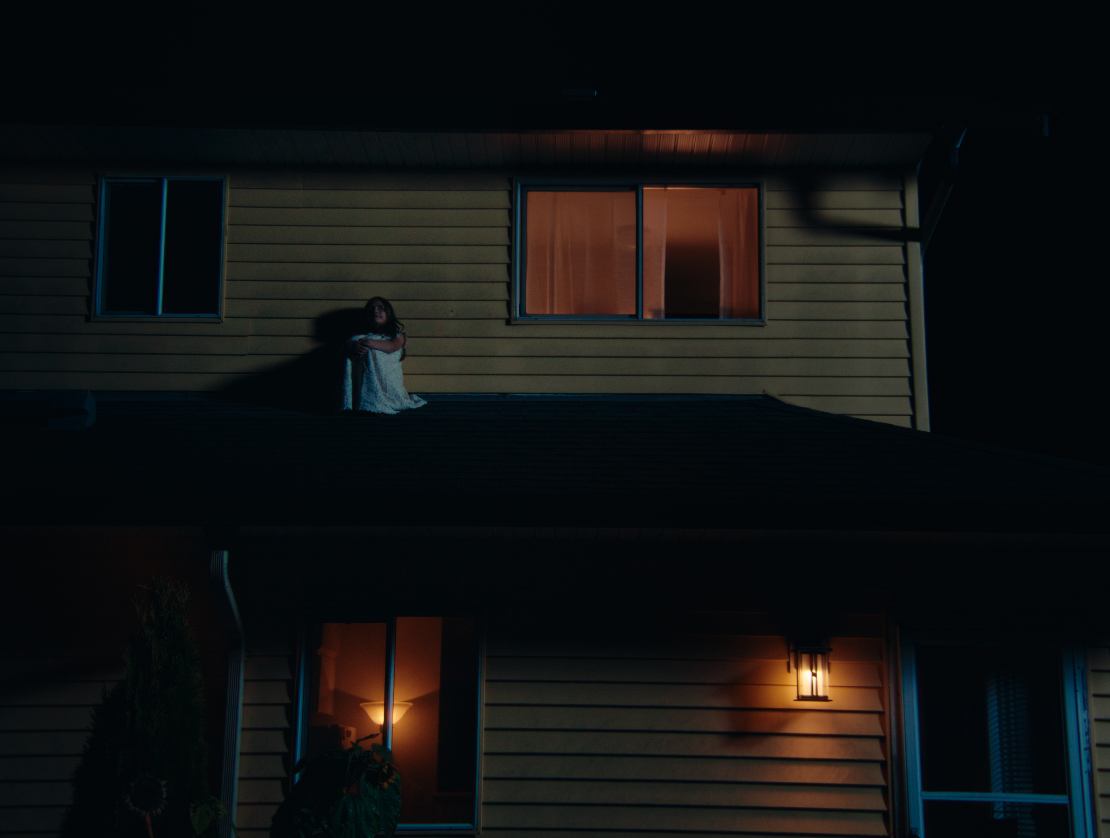
Little Girl, Run follows a young girl growing up in the shadow of family violence, and the woman she becomes when she begins to reclaim her freedom. Told through imagery, music and symbolism rather than dialogue, the film explores fear, resilience, childhood trauma and the possibility of a life beyond survival. It does not rely on graphic depictions of violence to communicate its message. Instead, it invites audiences to understand the emotional experience of a child living in fear and the courage it takes to imagine a different future.
A story of fear, resilience, childhood trauma and the possibility of a life beyond survival.
A SPECIAL BOND
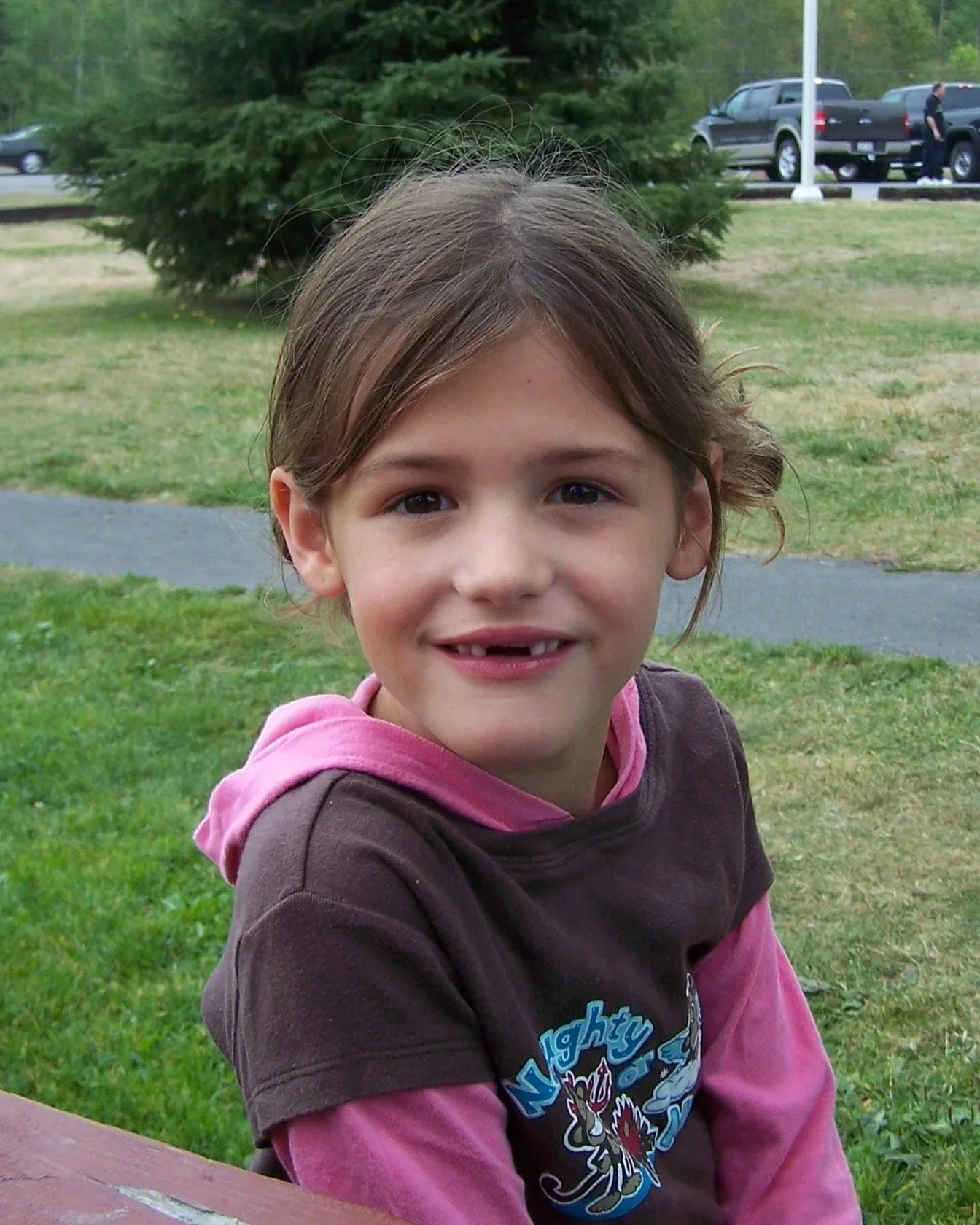
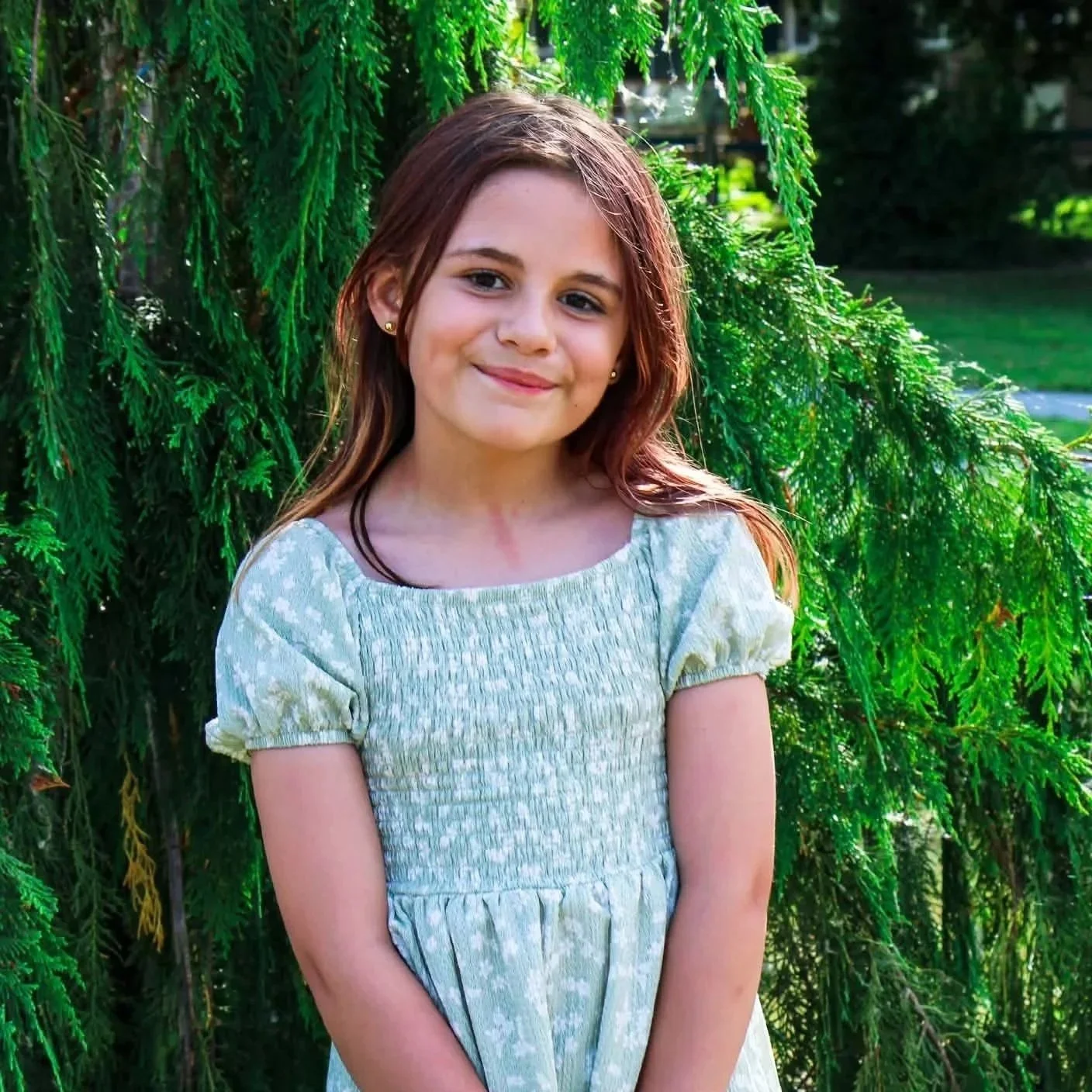
The moment Alexa saw Riley’s photo, something told her she was the one. Without knowing anything about her or her story, Alexa knew Riley was the one to portray her younger self.
Riley, age 09
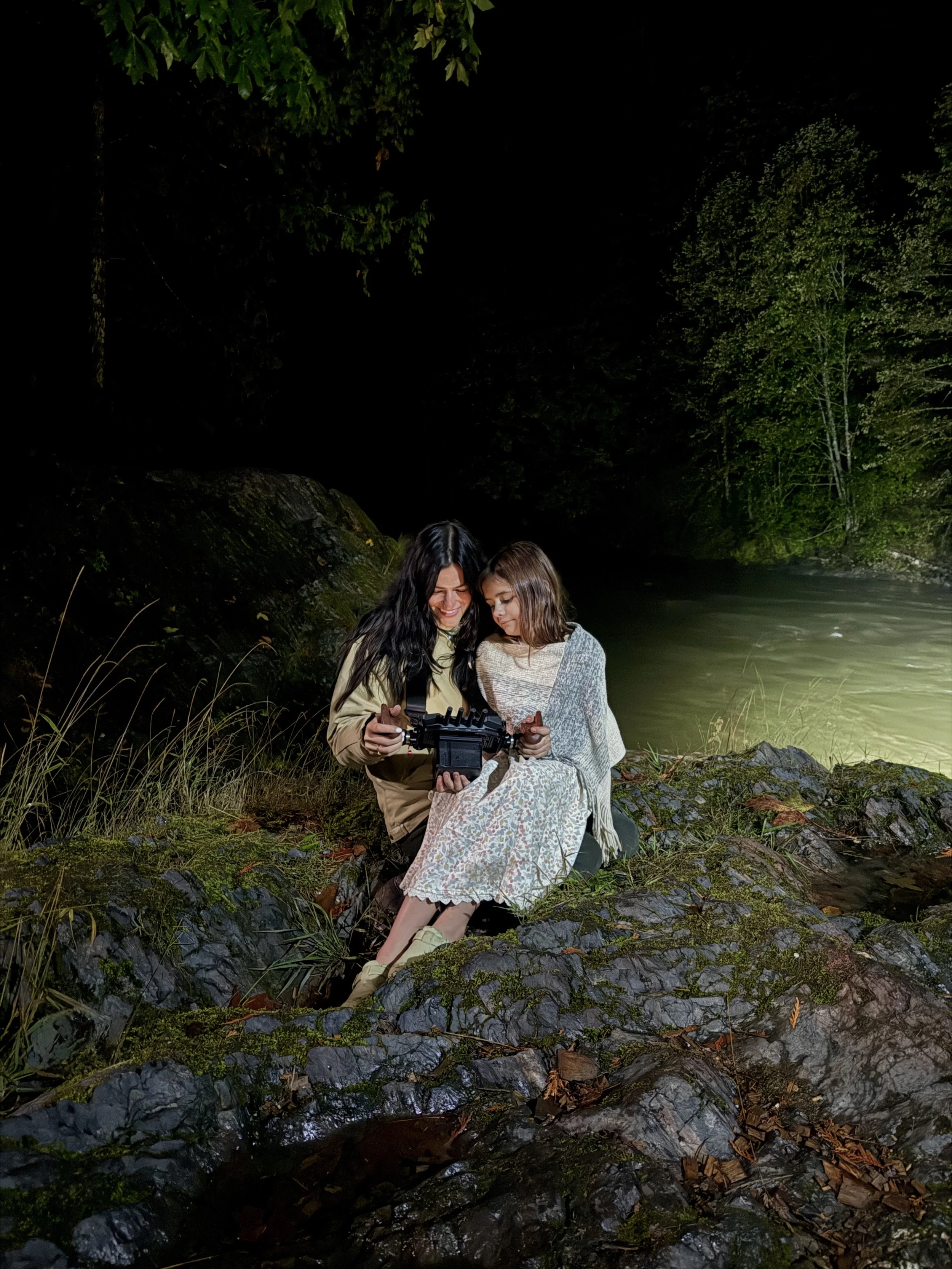
The two courageous girls portraying the younger and older versions of the same character share a connection that goes far beyond the screen. Both Alexa and Riley know this story all too well, bringing a depth of understanding and emotion to their roles that cannot be scripted. Throughout the making of the film, the two formed a special bond that will last a lifetime, a reminder that even through the hardest chapters of our lives can become something beautiful.
Alexa, age 08
Why this film matters
Awareness begins with recognition.
Change begins with conversation.
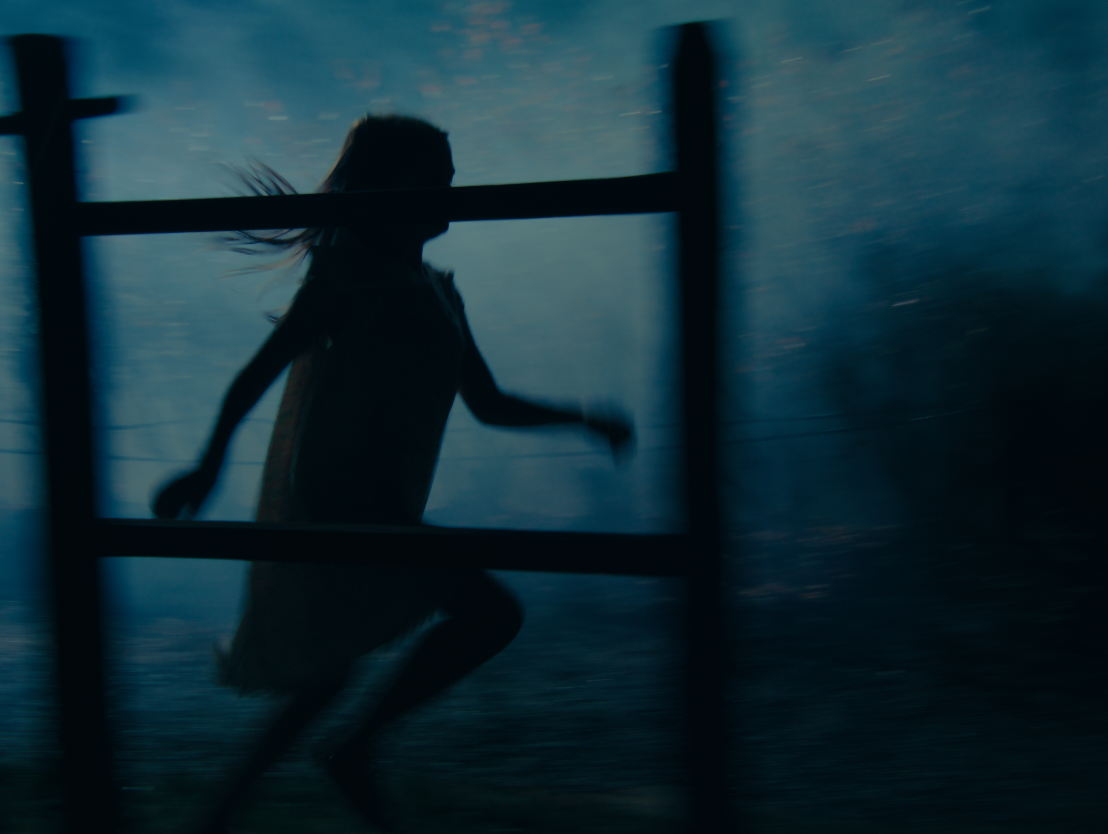
Family violence does not always leave visible scars. It can exist behind closed doors, within families, and in communities where silence has become the norm. For children especially, recognizing abuse can be difficult when it is the only environment they have ever known. This film was created to help change that.
To help a child recognize the lasting impact of childhood experiences. To help a community understand the importance of listening, believing and supporting those affected by violence.
A Story without language barriers
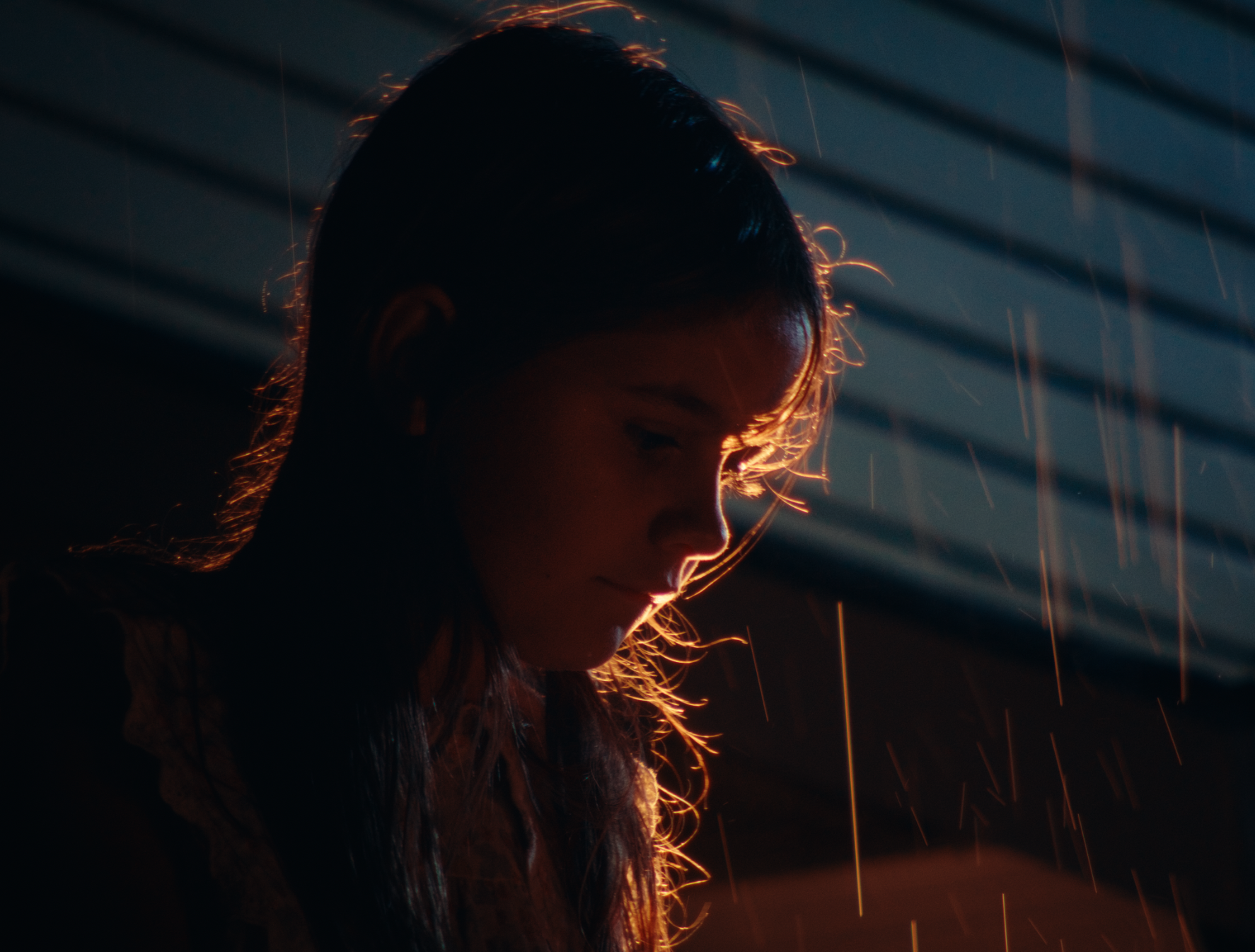
One of the film’s defining features is its absence of spoken dialogue. Through visual storytelling, emotion, movement and music. Little Girl, Run is designed to be understood across languages and cultures and backgrounds. Its themes are universal, allowing the film to reach audiences in rural communities, urban centres, classrooms, community organizations, and international film festivals. The film can support age-appropriate conversations among youth & adults, with educators and facilitators, considering the needs and experiences of their audiences. You do not need to speak the same language to recognize fear, hope or freedom.
Beyond the screen
Starting the Conversation - Little Girl, Run, was created not only to be watched, but to encourage reflection, understanding, and meaningful discussion. Whether viewed in a classroom, community centre, professional training session or private screening, the film can become a starting point for conversations about family violence, childhood experiences, resilience and support.
What emotions did the film bring forward, and which moments stayed with you?
What might fear and safety look like through the eyes of a child?
Why can it be difficult for someone experiencing family violence to recognize or speak about it?
What do you think the film’s imagery and symbolism represent?
How can childhood experiences influences someone’s understanding of relationships and safety later in life?
What can friends, educators, neighbours, and communities do to create environments where people feel safe asking for help?
What does freedom mean to you, and how does that meaning connect to the film?
Discussions should be voluntary, age-appropriate, and trauma-informed. Participants should never feel pressured to share personal experiences. Viewers may benefit from a guided discussion.
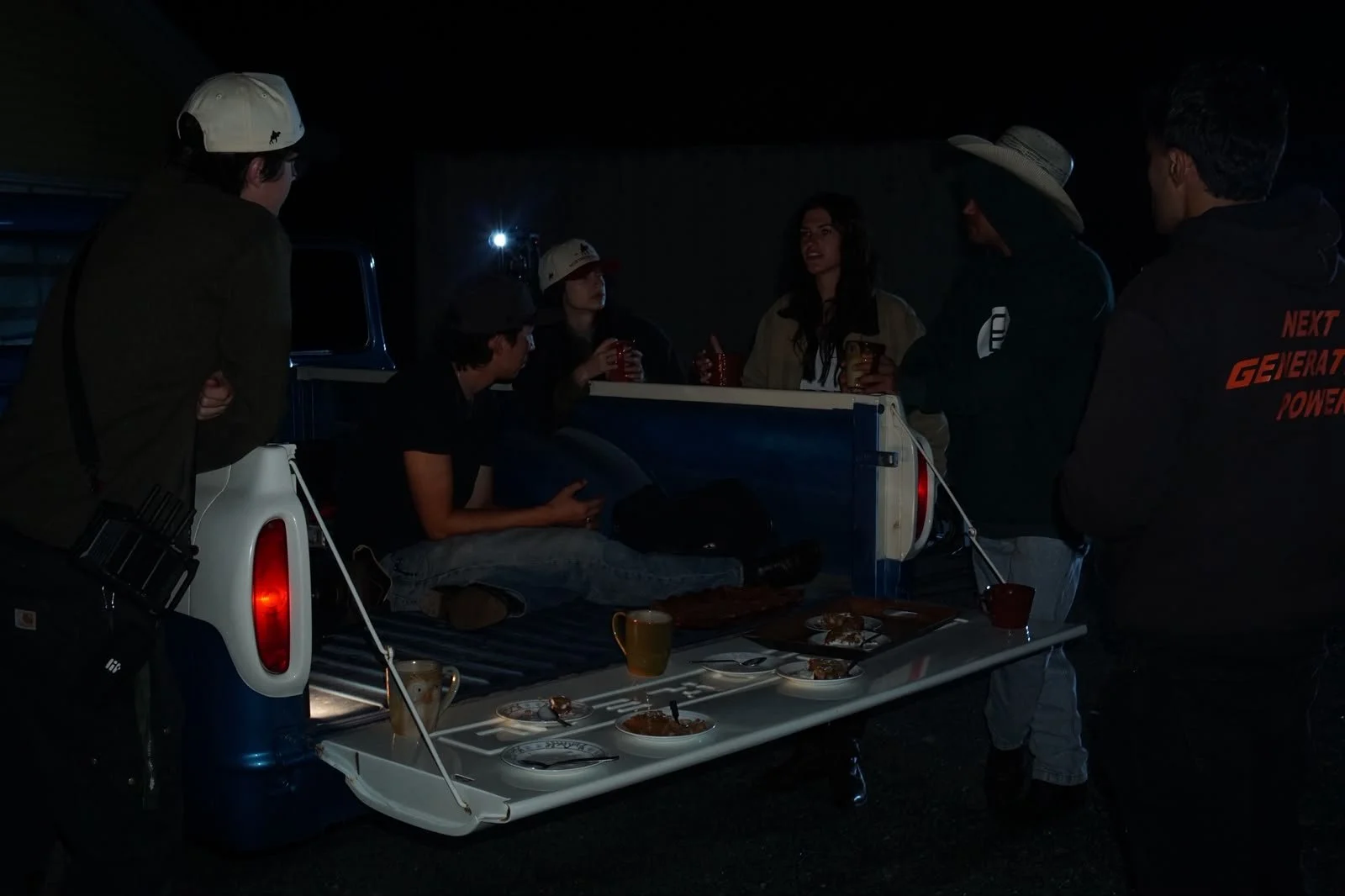
Cast & Crew
Executive Producer: Alexa Gamache
Writer: Alexa Gamache
Director: Eric Shiozaki
Producer: Sydney Harris
Key Gaffer: Nate Magnuson
Grip: Surnoor Sembhi
Stills: Ty Roth
Electric: Darnell Barkman
Picture Car: Joshua Matzek
Talent: Riley Reding
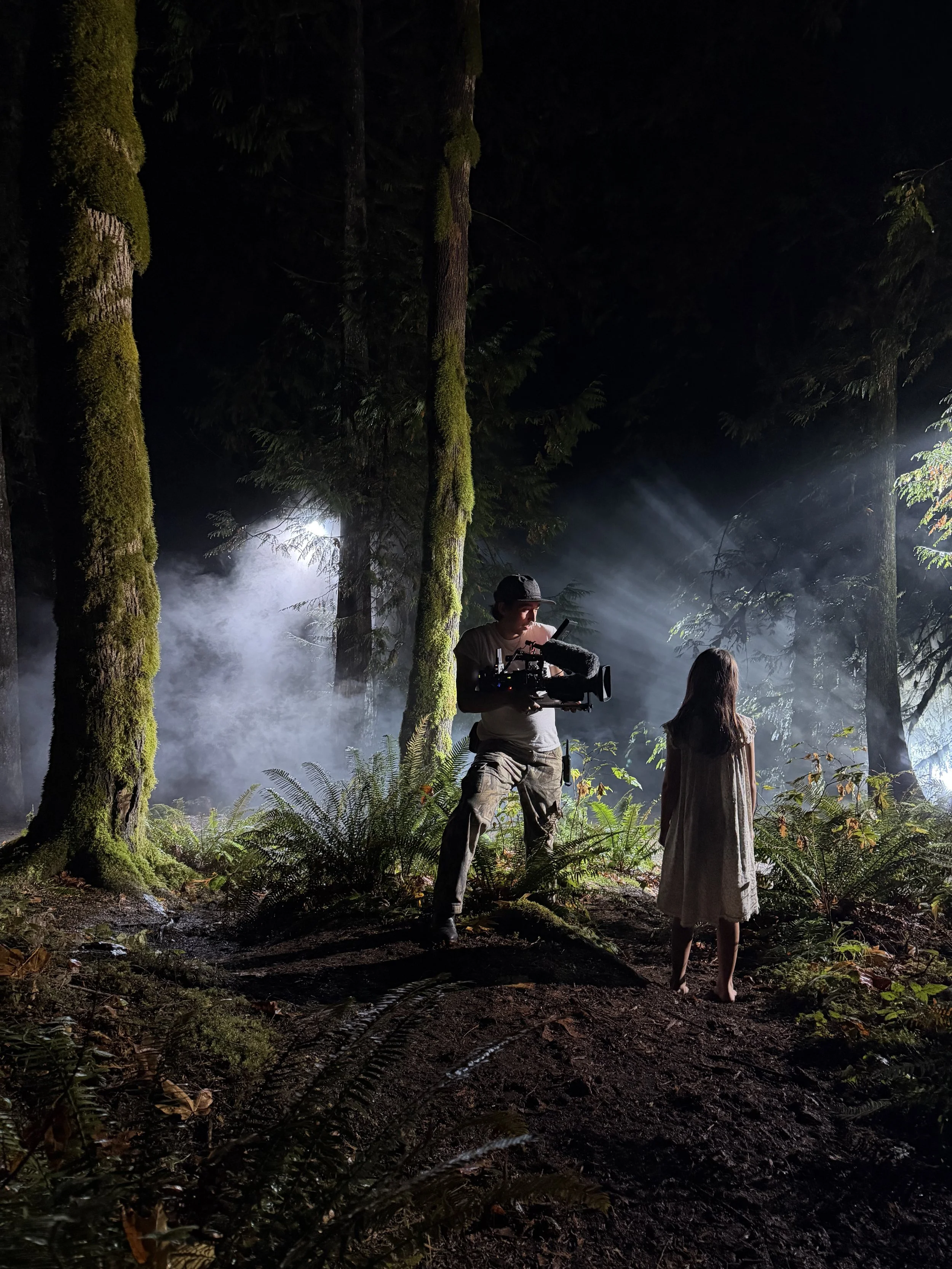
Special Thanks to Dylan Gossett & Co
For generously allowing his music to be featured in the film and for songwriting that has profoundly shaped Alexa’s perspective on life, freedom and the courage to write her own story. Featuring “Tired Of Running” by Dylan Gossett, the song echoes the heart of the film: the journey from running out of fear to running toward freedom. What begins as an act of survival becomes a symbol of courage, reclaiming your life and choosing where your story goes next.
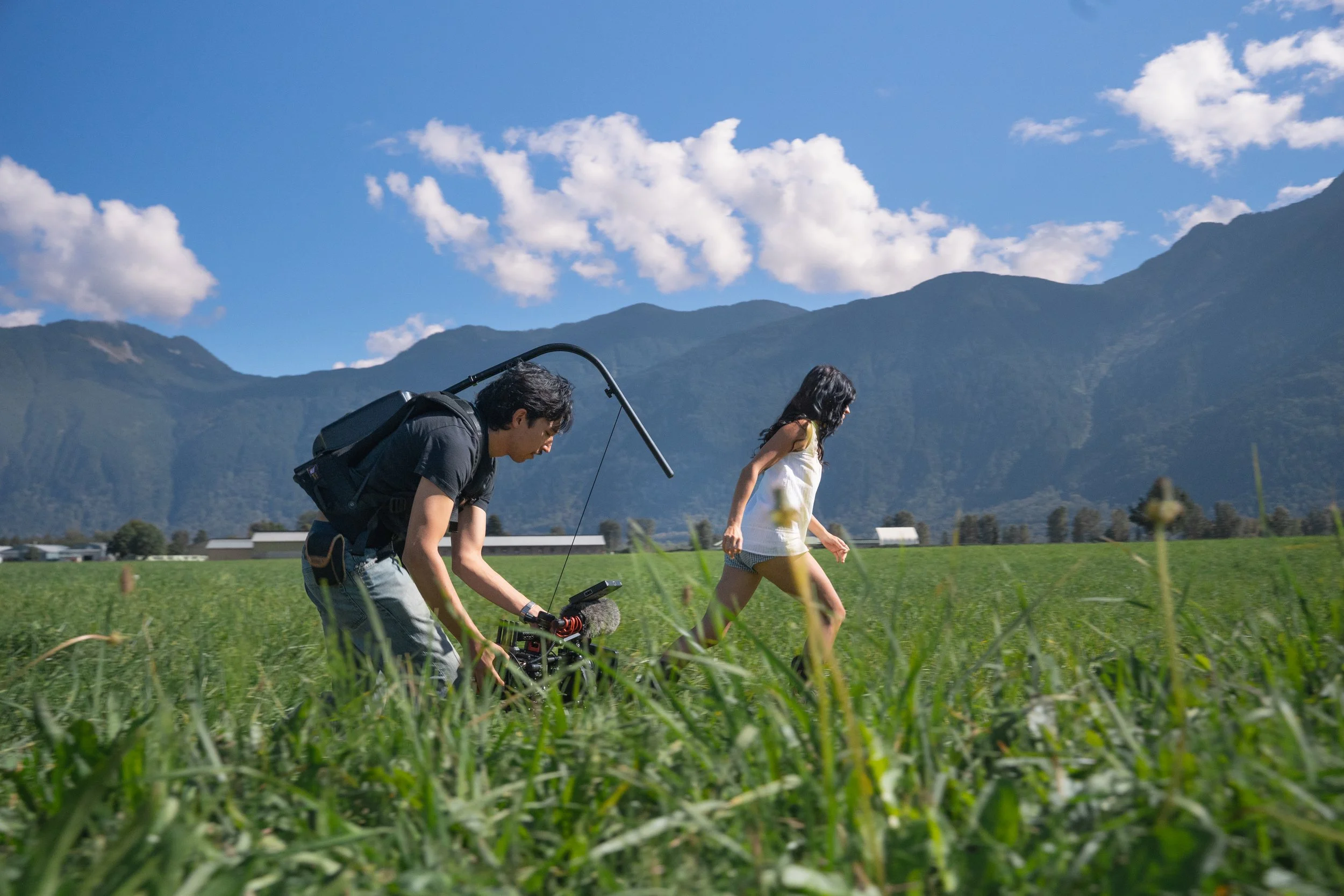
With Gratitude to Our Sponsors
This film and its mission have been made possible through the generosity of individuals who believe in the importance of sharing stories, raising awareness, and creating meaningful change.



Randall Waddell & Family